Early Communication, Toys

Using Puppets to support Speech & Language Development

Imitation Skills

Babies and toddlers generally copy actions before words. Encourage your child to imitate the following actions:

  • Giving the puppet a kiss/ hug
  • Brushing the puppet’s hair
  • Giving the puppet something to eat/drink
  • Getting the puppet to wave hi/bye
  • Giving the puppet a high five!

Symbolic Sounds

Symbolic sounds generally emerge before first words. Model the following sounds for your child and encourage them to imitate you:

  • Mwaaaah for kiss
  • Ooooh for the hug
  • Mmmmm for eating

First words

  • Practise pointing to or naming the different body parts
  • If the puppet has clothes, name the different clothing items
  • Practise saying hi and bye.

Pretend Play

Older children can continue to enjoy using puppets to develop their pretend play skills. Some of the benefits of pretend play include the following:

  • Vocabulary development
  • Concept development
  • Developing your child’s imagination
  • Problem solving skills
  • Turn-taking and sharing
  • Understanding a social situation
  • Developing theory of mind i.e. understanding others’ perspectives

Early Communication, Toys

Building Communication Skills with Bubbles

Bubbles can be used in a fun way to help encourage communication development. Follow the tips below and try them out for yourself.

Use bubbles to teach a word or sign

Blow bubbles for your child and encourage them to ask for ‘more’ or to blow the bubbles ‘again’. This may be through eye contact, gesture/sign, sounds or words.

Use bubbles to help develop phrases

If your child is starting to combine words, practise using phrases such as ‘more bubbles’, ‘more bubbles please’ etc.

Create an opportunity for your child to communicate

Tie the bubbles really tight and give them to your child. This will encourage your child to communicate with you that they need ‘help’. Again, this may be through eye contact, gesture, sounds or words. Model words/signs such as ‘open’, or ‘help’ for your child.

Use bubbles to teach a sound

As you pop the bubbles with your child say ‘pop, pop, pop, pop’ in a quiet voice. Encourage your child to imitate. The [p] sound is one of the first sounds to emerge in speech sound development.

Use bubbles to help develop eye contact

Blowing bubbles can encourage lots of eye contact as your child anticipates more. Wait for your child to make eye contact before blowing again.

Develop cause and effect

Children begin to learn that their actions caused the desired event through cause and effect toys and activities. This paves the way for higher level problem solving and reasoning skills. Children will enjoy using their fingers and hands to pop the bubbles!

Use bubbles to teach simple language concepts

Model the following concepts as you have fun together:

  • Big Bubble
  • Small Bubble
  • Up high
  • Down low
School Support

Language Support in the Classroom

Advice for Teachers & Special Needs Assistants

What is Language?

  • Receptive Language– This is what a student understands. If a student has difficulty in this area, they may have difficulty following directions, answering questions, identifying objects and pictures, understanding what gestures mean, or taking turns when others are talking.
  • Expressive Language– This is how a student uses words and sentences to express needs, thoughts, and ideas. If a student has difficulty in this area, they may not be saying enough for their age. They may also have difficulty with grammar, vocabulary, asking questions, using gesture, or knowing how to start a conversation and keep it going.

Students in your classroom may present with receptive and/or expressive language difficulties. Here are some suggestions to support their needs. 

Gather information from Professional Reports

Gather as much information as you can from multidisciplinary reports. Reports from Speech and Language Therapists, Occupational Therapists and Psychologists will provide an outline of students’ strengths and needs, with recommendations on how to support them achieve their potential.

Support students with Following Instructions

Students with language difficulties may have difficulty following directions or remembering instructions. Establish eye contact and ensure you have their full attention before giving them the instructions. Keep your instructions short, highlight the key words and ask them to repeat the instructions back to you. Provide extra visual cues if necessary, such as gestures, pictures, or books.

Highlight Key Words & Concepts

When introducing a new topic, highlight the key words and concepts at the beginning of the lesson. Use multi-sensory presentations such as interesting pictures, videos, and concrete materials that relate to the content. Try and include a hands-on activity to further support understanding. Review new content frequently.

Give your students time

Students with language difficulties may take longer to process what has been said to them, and to produce a response. Give your students plenty of time to respond to your comments or questions.

Use a Visual Timetable

Students with language difficulties often have difficulty with time concepts and understanding the sequence of events. Use a visual schedule or timetable to provide a clear structure for the school day.

Encourage students to ask for help

Encourage your students to ask for help if they do not fully understand something. Provide students with a ‘help’ visual or encourage them to use a gesture or hand signal should they require support.

Manage seating arrangements

When arranging the classroom seating plan, ensure students with language difficulties can see and hear the teacher clearly. Teachers should remember to use lots of gesture and facial expression as an extra visual cue to further support understanding.   

Minimise Distractions

Keep the classroom free from unnecessary auditory and visual distractions. This will help students focus better on independent work.  

Keep a home/ school communication book

Keep a diary or notebook between home and school. Link in with parents regularly and keep up to date with new developments from students’ support teams e.g. Speech and Language Therapists, Psychologists etc.
Books

Book Recommendations

There are many benefits to introducing books with babies and toddlers early on. Reading books can:

  • Develop your child’s understanding and use of language
  • Build vocabulary
  • Develop your child’s turn-taking skills
  • Help your child follow directions
  • Develop listening and attention skills
  • Promote bonding between parent/caregiver and child
  • Reading books is fun!

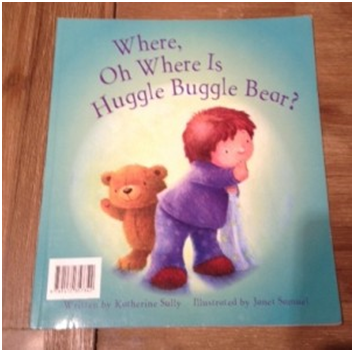
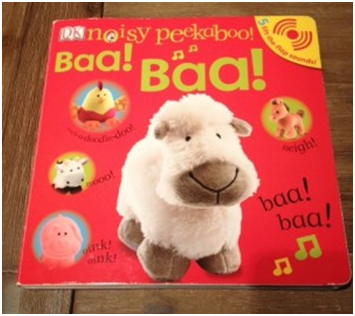
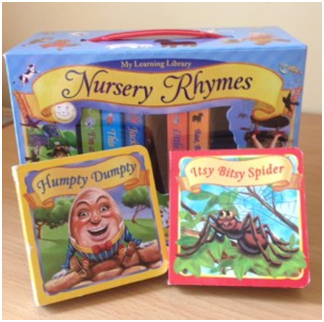
Here are some recommendations:

Board Books

Babies love to pull and tear as they explore their new world so board books are best in the beginning. Use books that have nice clear pictures, ideally one picture per page. Books with too much going on aren’t great to start with. You want your baby to be able to focus on the picture and attach meaning to it.

Touch & Feel Books

Touch and feel books are another great option to introduce early on. The different textures in these books are great for encouraging exploration. Babies are learning through their senses from the moment they are born so it is important that we provide them with a variety of sensory stimulation.

Goodnight Books

Introduce a goodnight book into your child’s bedtime routine early on. Choose a book that allows you to use social words such as ‘night night’. Books with lots of repetition are great as they allow lots of opportunity for your child to hear the words.

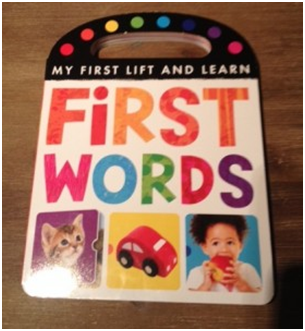
Lift-the-flap books/ Books with Sound

One of the foundations for speech and language development is the ability to detect sound and attach meaning. Sound books are great for developing this skill.

Nursery Rhyme Books

Children learn language through repetition and it is through songs and nursery rhymes that they learn about voice and rhythm of speech. Take your child on your lap and have fun reading nursery rhyme books together. Make some little actions to go with the rhymes and keep them consistent. Your child will soon begin to copy you! As your child becomes more familiar with the rhymes, pause and wait. They might just attempt to finish the rhyme for you.

For more book recommendations, please visit my instagram account @jumpstart_speechtherapy

Toys

Toy Recommendations

The importance of play in early childhood cannot be underestimated. Play helps children develop skills in a number of different areas of childhood development.

Play helps children to:

  • Develop listening & attention skills
  • Develop turn-taking skills
  • Develop language & communication
  • Develop social skills
  • Develop problem solving skills
  • Develop understanding of emotions
  • Develop relationships
  • Develop motor skills

In this post, we’ll take a look at some toy recommendations and ideas for early learners.

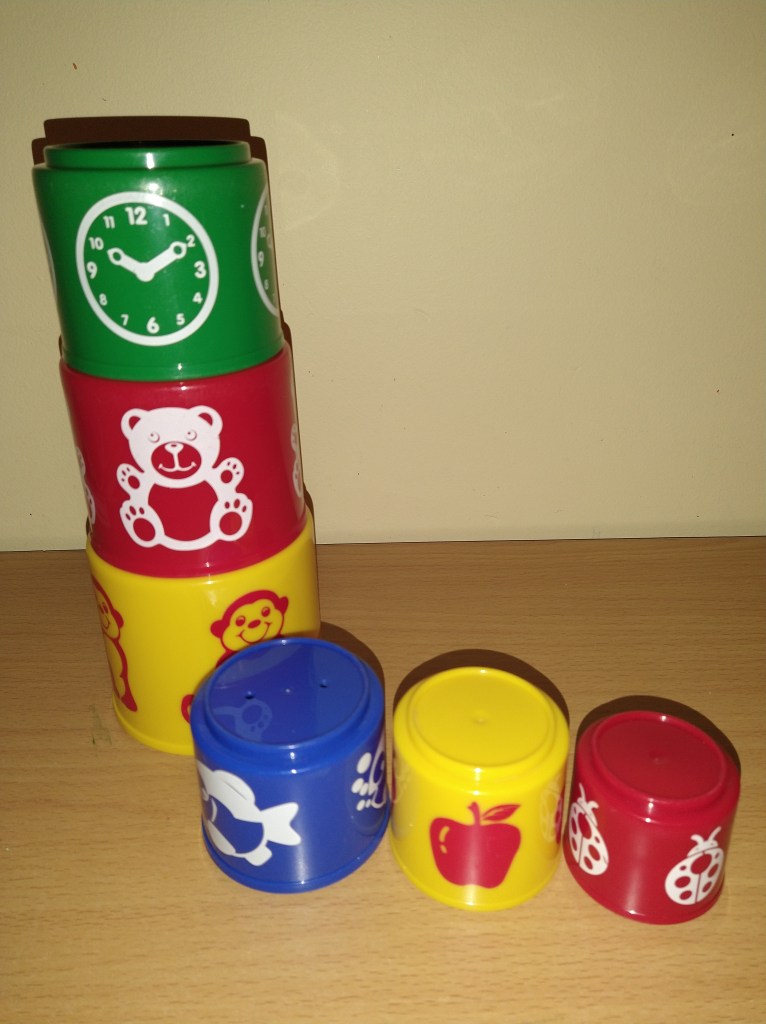
Stacking Cups

Stacking cups can be used to work on some of the following skills:

  • Vocabulary Development. Model the concepts: ‘on, in/out, up/down’.
  • Requesting. Encourage your child to request ‘more’ or ‘help’ by using gestures, sounds or word approximations.
  • Turn- taking skills. Take turns stacking the cups. Turn-taking is a vital skill in conversation development and one that can be taught across a range of toddler toys.
  • Symbolic Play Skills. Engage in some silly play with your toddler. Use a cup as a pretend hat or pretend to take a drink. Lay the foundations for their imaginative thinking.
  • Problem Solving Skills. Your child is working hard during this activity, trying to figure out which cups stack on top of each other. Another idea is to hide some chocolate buttons under a cup and encourage them to find it.

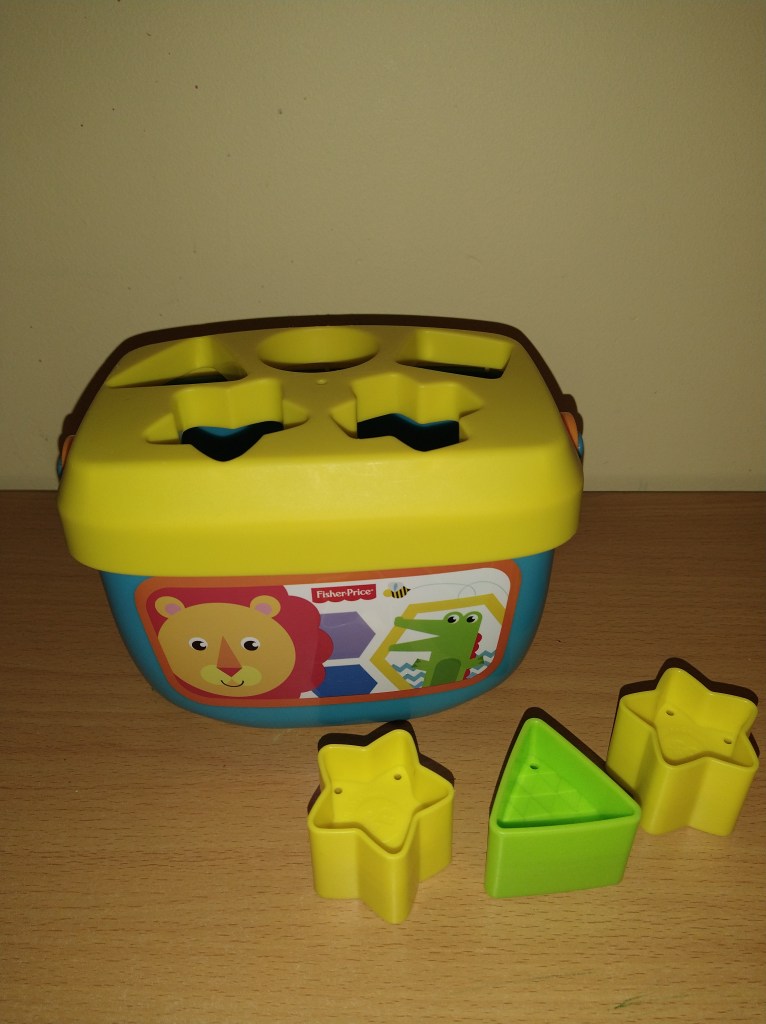
Shape sorter

Shape sorters can be used to work on the following skills:

  • Hand/eye coordination
  • Motor skills
  • Problem Solving
  • Turn-taking
  • Requesting ‘help’
  • Developing your child’s understanding of shapes can help with literacy development later on.

Bubbles

Bubbles are another great recommendation and can be used to target the following:

  • Eye Contact. Blowing bubbles can encourage lots of eye contact as your child anticipates more. Wait for your child to make eye contact before blowing again.
  • Cause and effect. Children begin to learn that their actions caused the desired event through cause and effect toys and activities. This paves the way for higher level problem solving and reasoning skills. Children will enjoy using their fingers and hands to pop the bubbles!
  • Early speech sound development. Stimulate early sounds such as [p] as you pop the bubbles.
  • Automatic speech: Ready, steady, go. Wait for your child to attempt the word ‘go’ before blowing the next bubble.
  • Requesting. Encourage your child to request ‘more’ bubbles. Tie the bubbles tightly and encourage your child to say ‘open’ or ‘help’.

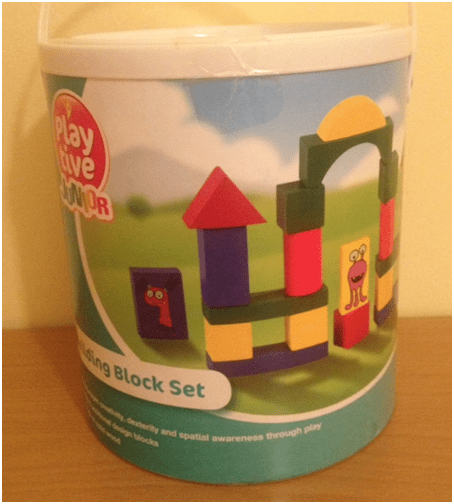
Building Blocks

Building blocks can be used to target the following skills:

  • Hand-eye coordination
  • Fine/ gross motor skills
  • Constructive play (the use of materials to create or build something)
  • Cause & effect (e.g. knocking over a tower)
  • Creativity and imagination
  • Problem Solving
  • Concepts: on, off, in, out, up.
  • Social skills: turn-taking, cooperating with others.
  • Colours, Shapes & Sizes
  • Counting

For lots more toy recommendations, visit my Instagram page @jumpstartspeechtherapy

Early Communication

Early Communication Tips

  1. Songs and nursery rhymes are a great way for your child to learn language. Children learn language through repetition and will love singing nursery rhymes over and over again.  Pause every so often and let your child fill in a word!
  2. Come down to your child’s level. Being at your child’s level allows you both to see and hear each other’s message better. Your child will see how your mouth forms the words and any facial expressions you use.
  3. Comment on things in the environment. If your child shows an interest in something, or is doing an activity they really like, give them the language for it. Children need to pair language with the real experience. You can also comment on your own actions e.g. ‘Mummy is washing the dishes’.
  4. Slow down your speech and highlight key words.
  5. Use a variety of words during everyday activities, e.g. common objects, action words, social words, and familiar names.
  6. Your child needs to hear a new word many times before they will understand it. Increase their understanding by showing them the real object or a photograph of the item.
  7. Read books with your child. Books are an excellent way of increasing your child’s vocabulary, developing their turn-taking skills and getting them to listen and attend.
  8. Acknowledge all attempts at communication. This could be any gesture, sound or word your child attempts. When your child feels like they have succeeded, they’ll be encouraged to give you more! 
  9. Try not to test your child by asking too many questions such as ‘What’s this?’ Instead, point things out and label what you both see.
  10. Remember that every activity is a language learning activity and you don’t have to set aside times in the day to learn language. Model words for your child during bath-time or on your trip to the shop!